







Introduction: Why Some Spiders Deserve a Bad Reputation
Spiders have earned a reputation as nature’s stealthy assassins, but only a handful pack a venom that can seriously threaten human health. Their danger level depends on three factors:
| Factor | What It Means |
|---|---|
| Potency of venom | How toxic the cocktail is to humans. |
| Likelihood of biting | Aggressiveness, defensive behavior, and habitat overlap with people. |
| Medical infrastructure | Availability of antivenom and emergency care (a bite in a remote jungle can be far riskier than the same bite in a city hospital). |
Below are the species that consistently rank highest across these dimensions. All information reflects the scientific consensus up to 2024; if you need the very latest data, a quick web search will confirm any recent developments.
-
1 Brazilian Wandering Spider (Phoneutria spp.)
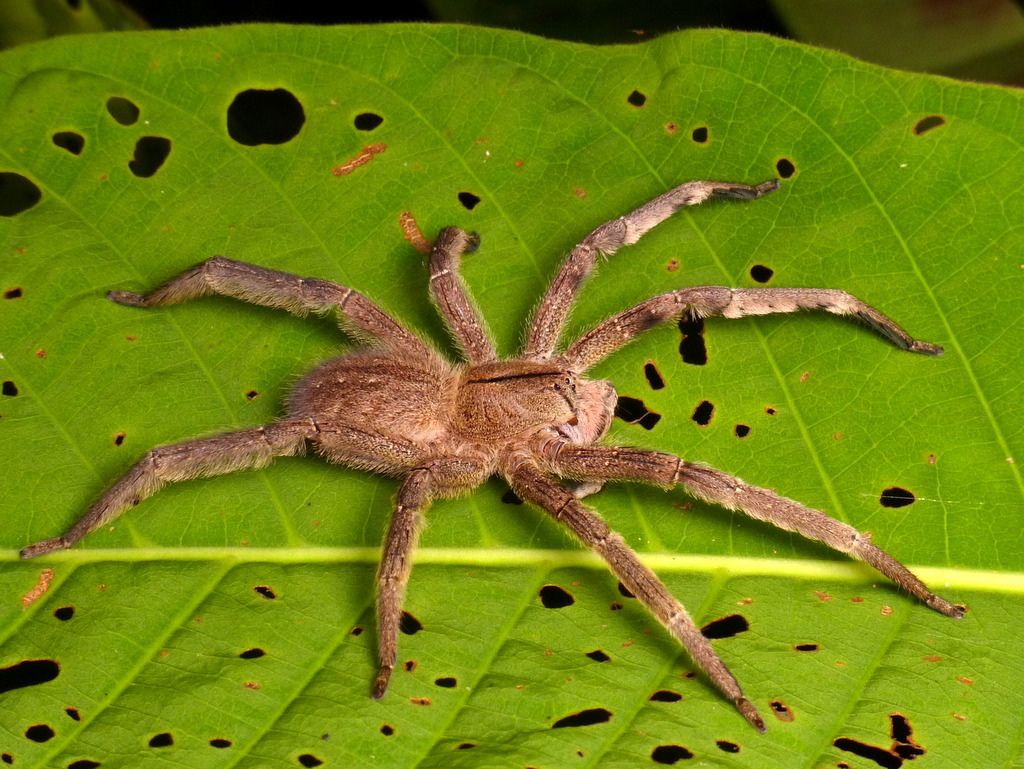
Also known as: Banana spider, armed with a “danger meter” that reads “high.”
- Geographic range: Tropical South America (Brazil, Colombia, Venezuela, Paraguay, Argentina).
- Venom profile: Neurotoxic; can cause intense pain, priapism, loss of muscle control, and in rare cases, death.
- Bite frequency: Highly aggressive when disturbed; they wander on the forest floor and sometimes hide in fruit shipments—hence the infamous “banana” anecdote.
- Medical notes: No widely available antivenom in many regions; treatment focuses on pain management and monitoring cardiovascular symptoms.
Why it’s dangerous: Its combination of potent neurotoxins and bold, roaming habits makes accidental encounters surprisingly common.