








Introduction: Cutting Through the Silver Screen Fog
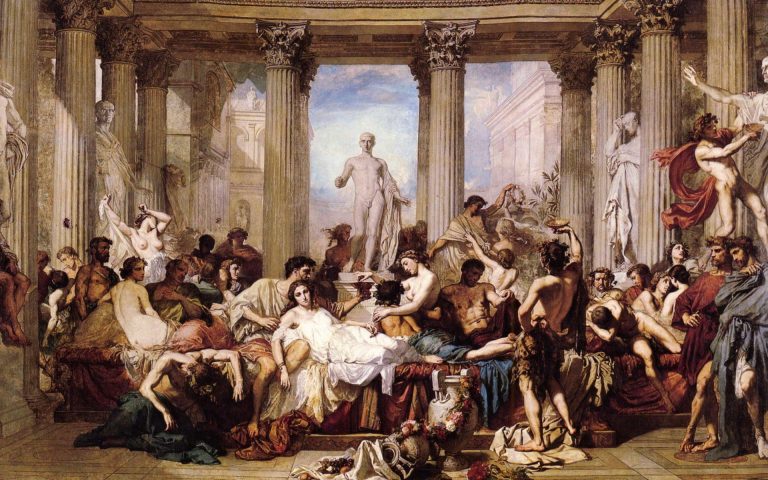
If you’ve ever binge‑watched a period drama or a blockbuster set in the marble‑strewn streets of the empire, you’ve probably walked away with the impression that Romans lived in a perpetual orgy‑fest, where every banquet turned into a bedroom showdown. The truth, however, is a little less… bacchanalian and a lot more bureaucratic.

Image credit: Spartacus: Blood and Sand
Public Tolerance vs. Private Regulation
| What the Romans Did | What the Movies Show | Why the Gap Exists |
|---|---|---|
| Talked openly about affairs, prostitution, and same‑sex encounters in satire (Juvenal), poetry (Catullus, Martial), and even graffiti. | Depicts secret trysts in dimly lit taverns, implying a hidden underworld. | Filmmakers love the “forbidden romance” trope; the Romans actually aired their desires in public forums—just with a stricter rulebook. |
| Regulated brothels: they were licensed, taxed, and located in designated districts (think the Lupanare of Pompeii). | Portrays prostitution as a shadowy, illicit trade. | Ancient tax records prove the state profited from the business, turning it into a respectable—if morally ambiguous—industry. |
Takeaway: Roman society tolerated a wide range of sexual behavior, but it wasn’t a lawless free‑for‑all. The state kept tabs, collected taxes, and drew clear geographic lines around the “fun zones.”

Image credit: Spartacus: Blood and Sand
Same‑Sex Relations: Normalized, Not Scandalous
Literary evidence: The Satyricon and the letters of Pliny the Younger casually reference male–male intimacy. The cultural model was pederasty, adult men taking the dominant role with younger males, a practice embedded in social hierarchies.
Screen version: Same‑sex affairs are often framed as shocking plot twists, a source of drama rather than a routine part of daily life.
Reality check: Same‑sex activity was socially accepted provided the power dynamics were clear. The dominant partner had to be a free adult citizen; the subordinate could be a youth or a slave. The emphasis was on status, not on the gender of the participants.

Image credit: Spartacus: Blood and Sand
Marriage, Fidelity, and the Law
- Marriage was a civic contract, not a love story.
- Adultery: The Lex Julia de Adulteriis (18 BC) made female infidelity a punishable offense, while male cheating was usually tolerated unless it threatened inheritance or family honor.
- Modern dramatizations often flip this script, showing Roman husbands facing the same legal jeopardy as wives.
Bottom line: The Romans cared deeply about lineage and property. A husband’s wandering eye was a political risk only if it jeopardized his heirs; a wife’s stray liaison could bring legal consequences.
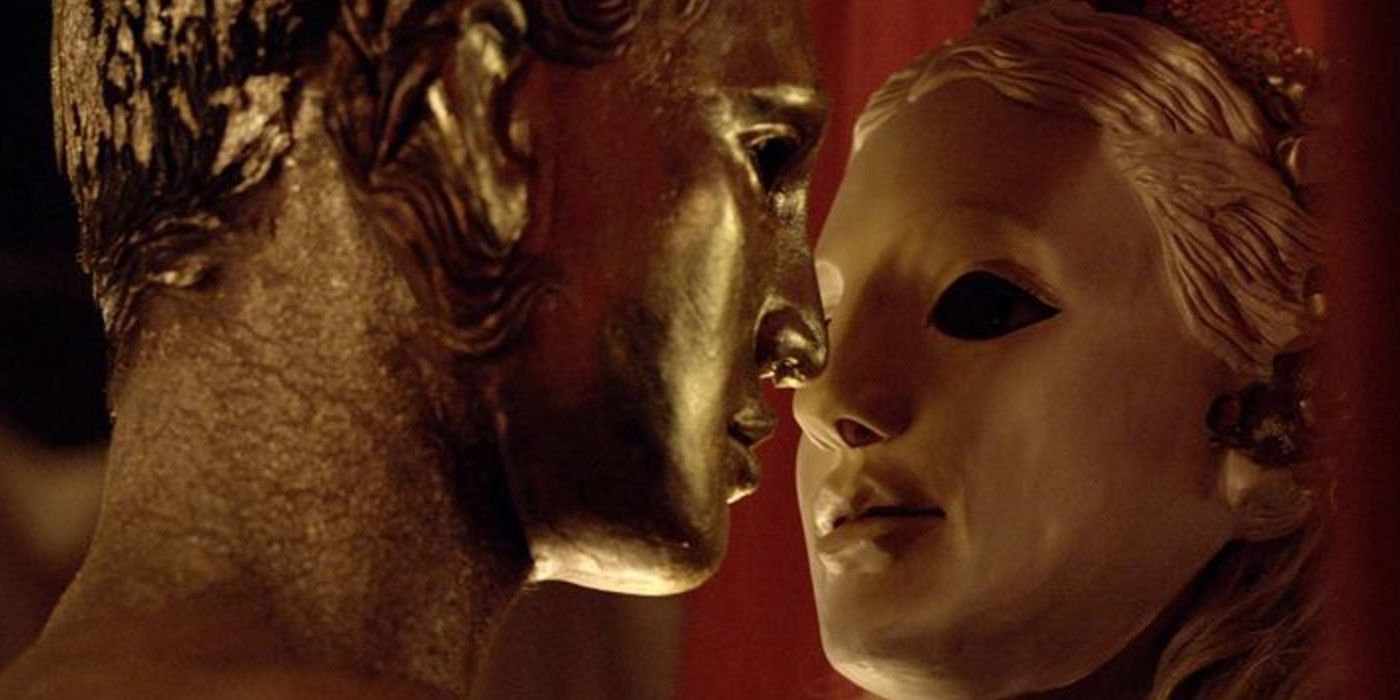
Image credit: Spartacus: Blood and Sand
Erotic Art: Decoration, Not Pornography
Frescoes, mosaics, and statues uncovered in Pompeii and Herculaneum showcase everything from mythological nudes to explicit bedroom scenes. These works served multiple purposes:
- Decoration – brightening villas and baths.
- Religious symbolism – linking fertility gods to human desire.
- Didactic messaging – cautionary tales about excess or moral virtue.
While modern media cherry‑picks the salacious bits for shock value, the ancient pieces were woven into everyday aesthetics, not confined to a secret “adult section.”
Power Dynamics Were the Real Spice
Across all categories, same‑sex relations, prostitution, marriage the decisive factor was status:
- Citizenship vs. slavery: A citizen could buy freedom, a slave could not.
- Gender hierarchy: Men held legal authority; women’s sexual agency was heavily circumscribed.
- Age and class: Youthful partners and lower‑class individuals filled the “subordinate” slot in many relationships.
Hollywood loves the idea of equal‑partner romances, but Roman intimacy was a chessboard of rank and privilege.
Conclusion: A Nuanced Picture, Not a One‑Size‑Fits‑All Fantasy
So, were the Romans “as sexual as they’re depicted in movies and TV”? Yes, they were more sexually open than many later Western societies, but no, they weren’t the endless, egalitarian free‑for‑all that pop culture suggests. Their world blended permissiveness with a rigid hierarchy, public regulation with private indulgence, and artistic frankness with legal oversight.
Next time you watch a Roman epic, keep an eye out for those subtle clues, a tax ledger here, a legal edict there, a fresco on the wall—and you’ll spot the real story hiding behind the cinematic sparkle.